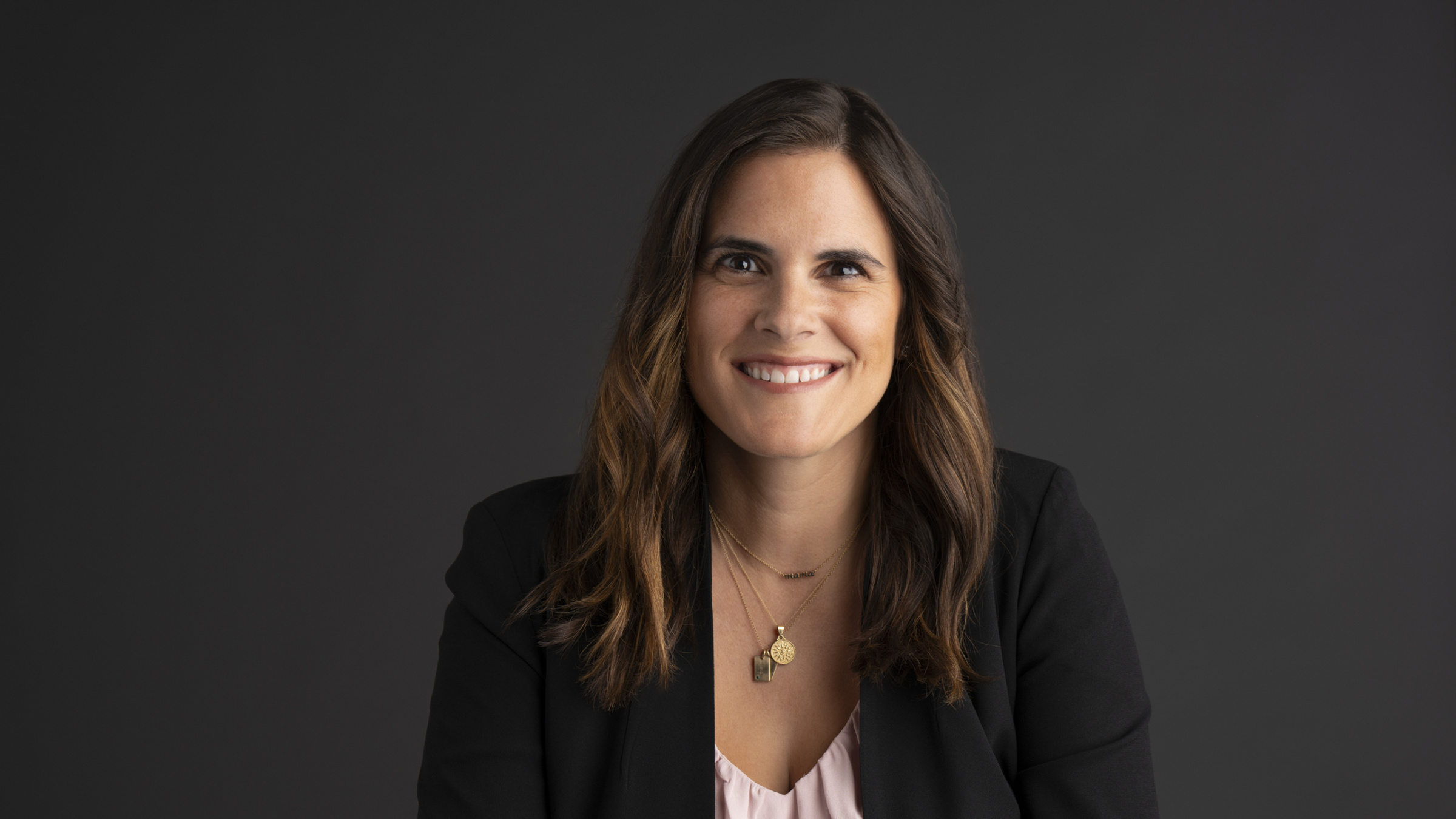
Elena Bukowski’s career in investor relations (IR) spans more than a decade, bringing her from Milwaukee to New York, and in 2018, to Point72. In April 2025, she became head of Capital Development and IR at the firm. We sat down with her to talk about how she found her niche in the field, her leadership philosophy, and what keeps her motivated.
Let’s start with your career journey. How did you get into investor relations?
After earning my degree in finance and management from Drake University, I started my career in finance right out of school interning as an analyst at a long-only fund in Milwaukee—where I’m from. In a conversation with the CIO that I was working for at the time, I mentioned that I didn’t think being an analyst was exactly the right fit for me. He asked if I’d ever considered investor relations—which I hadn’t. I didn’t even know what IR was.
I’m so grateful he suggested IR. After that, I was hired back full-time and quickly realized it was a better fit for me. I spent two years there before deciding I wanted a faster pace and bigger city. I moved to New York and transitioned into the hedge fund world. Those early roles gave me a close-up view of how marketing, IR, and operations worked at an institutional scale, and set the foundation for the role I’m in today.
And what brought you to Point72?
By 2018, I knew I wanted to join a firm that was truly institutional but still had an entrepreneurial feel. Point72 checked all the boxes.
And in the seven years you’ve been here, what has surprised you?
Before joining, I had never worked at a firm with more than 35 people, so I wondered if I’d get lost in a bigger organization. But I was pleasantly surprised—despite the scale, the work still feels hands-on and entrepreneurial. There’s a sense that we’re building things every day—that combination of scale and agility is rare and it’s part of what makes this place so unique.
What makes IR the right fit for you?
IR sits at the intersection of strategy and relationship building. It’s about understanding and synthesizing investment strategies and opportunities, then communicating them effectively to investors. Our team acts as a conduit between the investment professionals making decisions and the LPs who trust us with their capital.
Over time, I’ve also learned that IR varies greatly across firms, and I know how important it is to believe in your firm, your team, and your investors.
Tell us more about what your team is responsible for and how it’s structured.
We wear a few different hats. First, we have capital development—think of that as the prospecting aspect of the role. That means sourcing new potential investors, introducing them to the firm, and helping them understand our strategies so they can decide if we’re the right long-term partner.
Then there’s the investor servicing side, which is more about maintaining strong relationships with existing investors by providing timely performance and business updates, anticipating their information needs, and ensuring they have appropriate transparency and confidence in how the firm is managing their capital. That’s when the conversations can get a bit more technical and analytical.
From day one, I’ve had the opportunity to work across the full spectrum of responsibilities, which is something I really value.
How has your role evolved over the years?
When I joined, our focus was growing the flagship multi-strategy fund. I think we’ve done an exceptional job attracting, in my view, high-quality LPs and building lasting relationships around the world.
Over time, our work has grown to include new strategies, which has challenged us to adapt our approach and connect with a broader investor audience.
I imagine there’s a lot to keep your pulse on. In your view, what makes someone successful in this role?
We sit at a really interesting intersection within the firm where we get to interact with many teams in order to gather the information needed to keep our investors informed. That means understanding business decisions, performance drivers, capital allocation, and the broader macro environment.
I think success is also about trust—building durable relationships with investors doesn’t just happen overnight, or only when things are going well. It’s about being transparent and learning how to navigate through periods of adversity. That really makes or breaks your relationship with investors.
You’ve been in the seat for some time now. How would you describe your leadership style?
I try to trust my instincts and lead with transparency. I know how critical it is to have the full context to confidently speak with investors and represent the firm.
I also take a collaborative approach with how I work with my team by involving them early as we think through new strategies, geographies, or messaging. I make sure there are plenty of opportunities for them to have visibility and proximity, whether that’s joining meetings, traveling, or representing the firm at events.
Lastly, I strive to be an empathetic leader. I know how hard we work, so I try to stay connected on a personal level, offer practical advice, and keep an open door even when things get busy.
What motivates you to come to work every day?
The people, hands down. I’m constantly inspired by my team—they are all rock stars—and by colleagues across the firm. We sit central to the organization and interact with a lot of teams here, and I’m energized by the dedication I see every day.
I also genuinely enjoy getting to know people beyond their role. We spend so much time working together, it’s rewarding to understand who they are personally, too.
Speaking of getting to know someone personally, rumor has it you’re an incredible golfer. Is that something you still do?
I’ve played my whole life—started when I was three years old and played Division 1 at Drake University.
It was an incredible experience traveling around the U.S. and the world to compete in a sport that I still love today. Golf has taught me a lot about myself. It’s a sport where you can never be perfect, and that’s really humbling. That mindset has carried me into how I approach leadership and work.